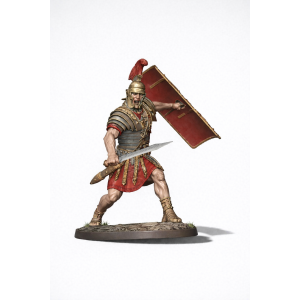
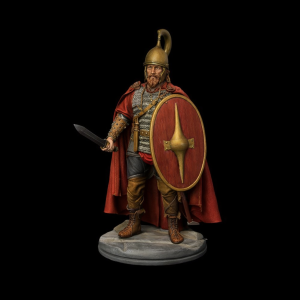
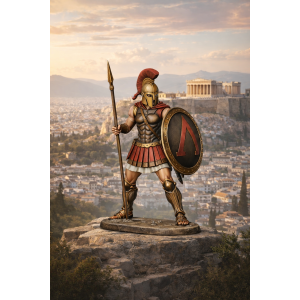
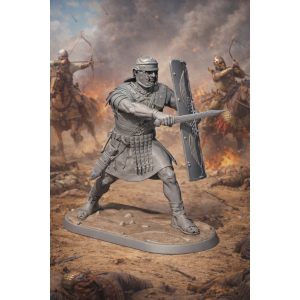
For printing miniatures, we always recommend RESIN 3D printers as they provide exceptional detail and a smooth surface finish. Our models have been tested on the Anycubic Photon Mono M5s and Phrozen Sonic Mighty 8K printers. We do not use FDM (filament) printing technology or other materials and therefore cannot provide support for those types of printers.
SLICER SOFTWARE
We recommend using Chitubox for its user-friendly interface, automatic support generation, advanced scaling options, and professional tools for preparing models for printing.
SCALING
Most of our models scale exceptionally well both up and down without noticeable loss of quality. All models are created at the scale specified in their listing; however, users have successfully printed them in scales ranging from 1:72 up to 1:6.
SUPPORT REMOVAL AND CLEANUP
To make support removal easier, we recommend soaking the model in warm water for 5–10 minutes. After this treatment, supports can usually be removed much more easily and leave fewer marks on the model's surface.
After removing the supports, the model should be thoroughly cleaned. Excellent results can be achieved by soaking the print for 30–60 minutes in Mean Green or a similar cleaning solution, followed by an additional 15–30 minute rinse in Isopropyl Alcohol (IPA).
REQUESTS & SUGGESTIONS
While we do not accept custom orders, we are always happy to hear your ideas for new models you'd like to see in our store. Simply send us a description or a reference image, and we will consider adding the project to our production schedule.
We truly enjoy helping bring creative ideas to life and expanding our catalog based on community feedback and suggestions.
Description
Short sales copy
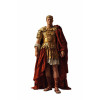
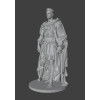
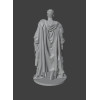
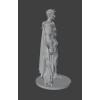
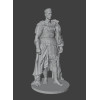
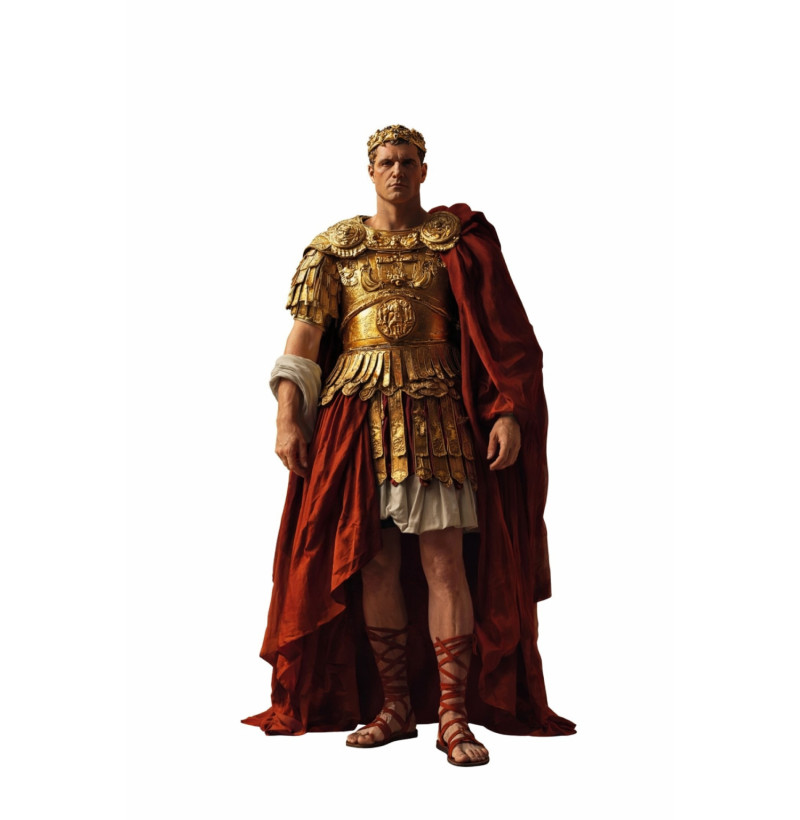
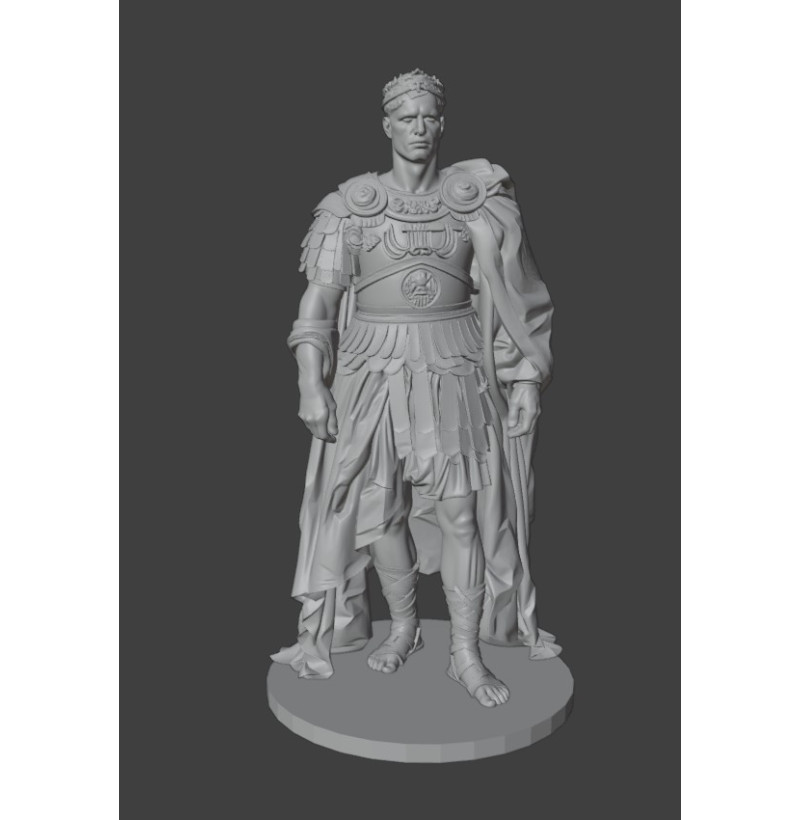
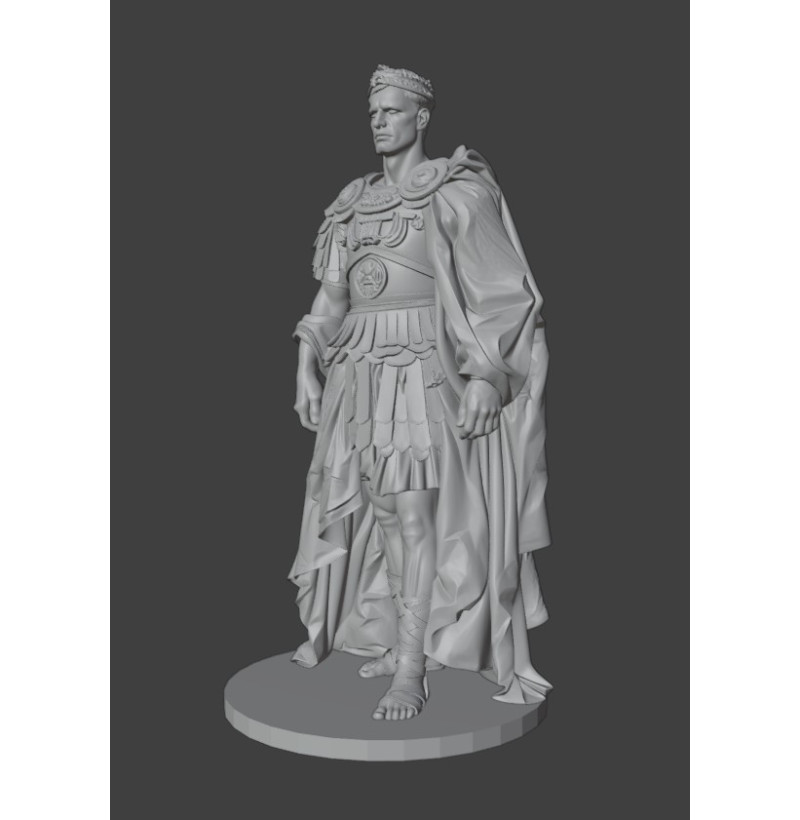
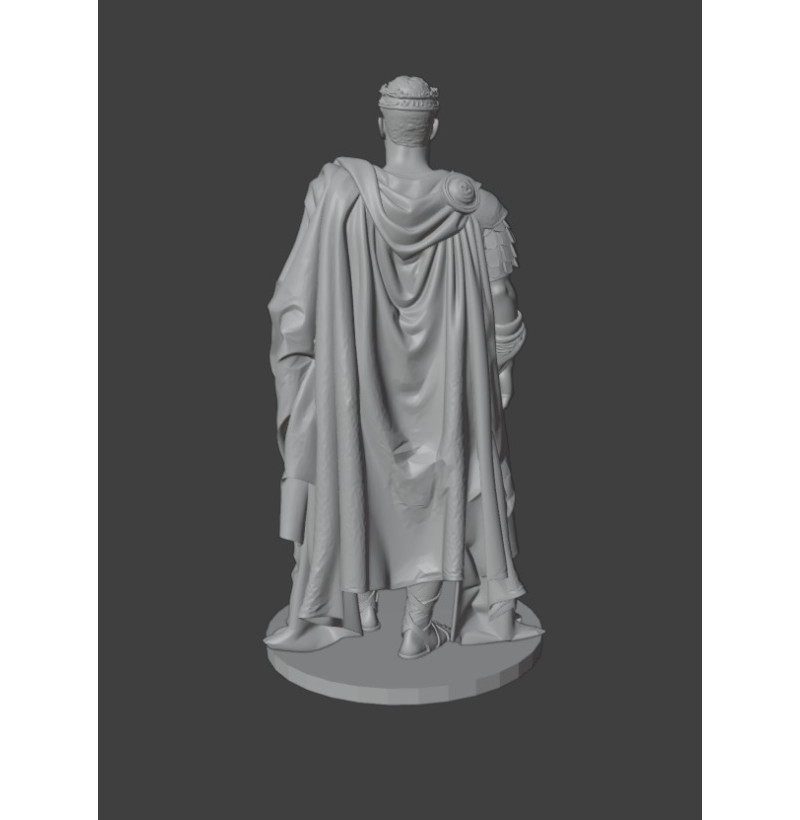
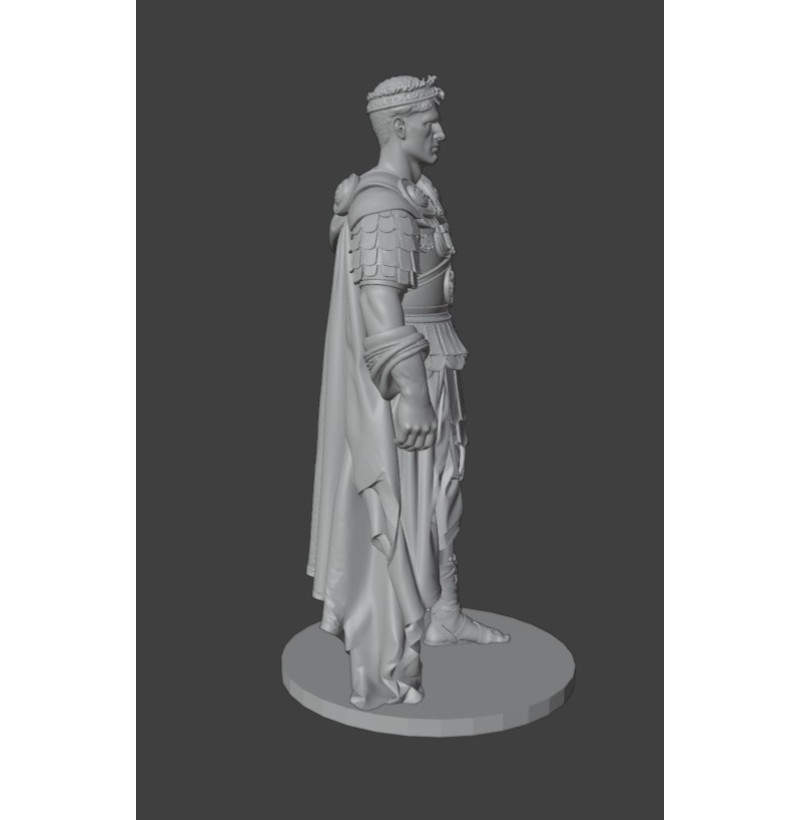
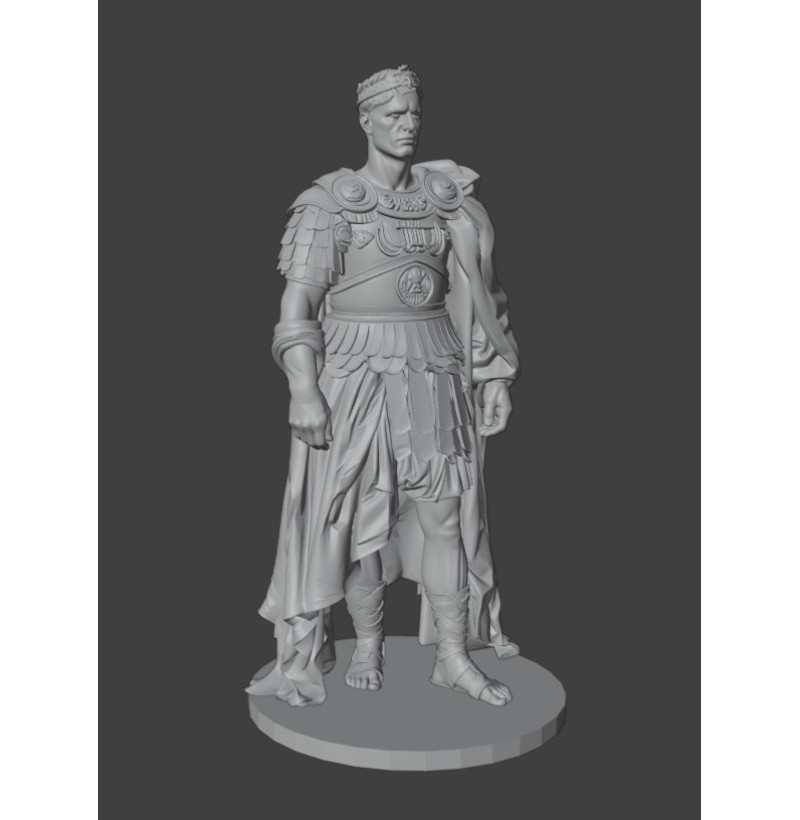
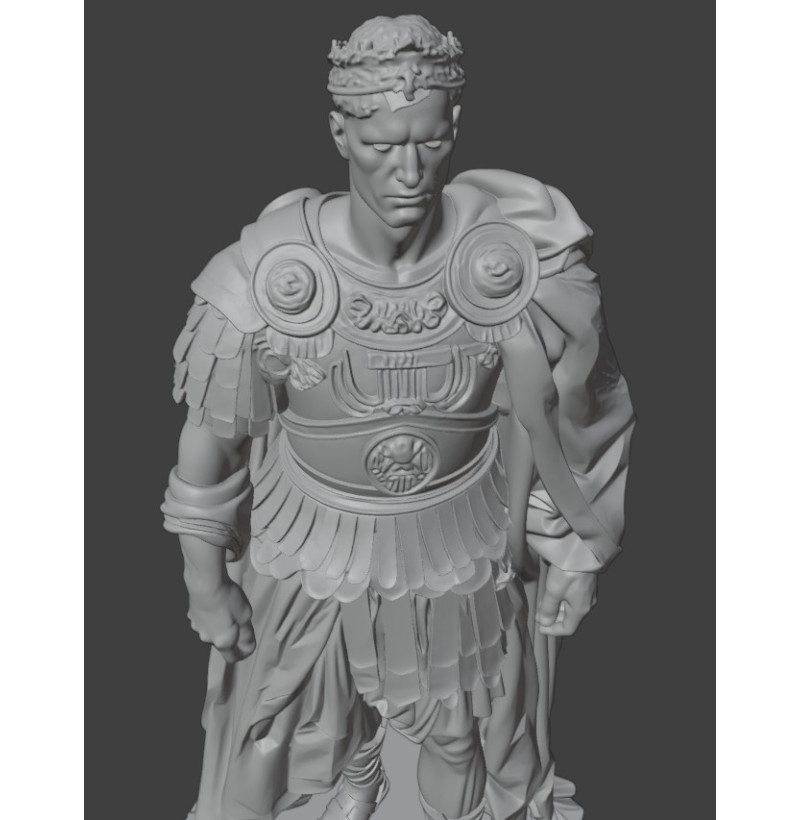
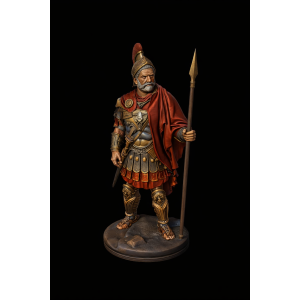
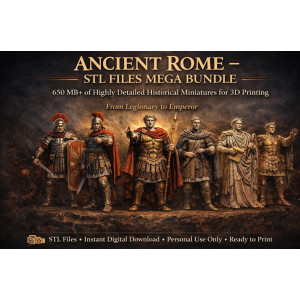
Bring Ancient Rome to life with a majestic Roman Emperor statue in ceremonial attire. This high-detail STL is perfect for display pieces, historical dioramas, tabletop settings, or museum-style collections—especially stunning once painted with metallic effects and weathering.
What you get
Digital STL file(s) for 3D printing (instant download)
Ideal for collectors, dioramas, wargaming scenery, educational displays
Great results on resin printers (maximum detail) and scalable for FDM
Key features
Imperial ceremonial look: armor, cloak, and authority-driven silhouette
Rich surface detail for painting (metalwork, fabric folds, straps)
Strong “museum statue” presence at multiple scales
Fits themes: Pax Romana, Roman legions, the Senate, imperial power
3D printing notes
Resin: use fine layer height for crisp relief and facial details
FDM: print larger for best results; add clean supports for the cloak
Painting tip: metallic base + dark wash + drybrush highlights; deep red cloak with layered highlights for realistic folds
Important
This is a digital product. No physical item will be shipped.
License (personal use)
STL files are for personal use only (print for yourself or as a gift).
Not allowed: reselling or sharing the STL, uploading/distributing the files, or selling printed copies without permission.
Extended historical background: the Roman Empire era
The Roman Empire marks the transformation of Rome from a republican state into an imperial system centered on a single ruler. The imperial period is traditionally dated from 27 BCE, when Octavian Augustus established the Principate—a carefully designed structure that preserved the outward forms of the Republic while concentrating real authority in the hands of the emperor. The emperor became the empire’s chief military commander, a key religious figure, and the ultimate guarantor of order.
Imperial power relied heavily on the professional Roman army. Legions secured frontiers, enforced stability in provinces, and projected Roman influence across the Mediterranean world. Because legitimacy often rested on military success and the promise of peace, emperors invested deeply in public imagery: statues, monuments, coins, and triumphal ceremonies. The iconic “armored emperor with cloak” became a visual language—instantly communicating strength, authority, and Rome’s claim to civilization and control.
During the height of the empire—especially the first two centuries CE—Rome experienced long stretches of relative stability and prosperity often associated with Pax Romana. Roads, cities, trade networks, and administrative systems expanded, while Roman law and civic culture spread across diverse provinces. Yet the empire was not uniform: languages, religions, and local traditions varied widely. The emperor’s image served as a unifying symbol across regions—an ever-present representation of Rome’s political center.
From the third century onward, mounting pressures—border conflicts, internal power struggles, and economic strain—reshaped imperial rule. The system gradually evolved toward the more formal and autocratic Dominate, where the emperor’s status became increasingly ceremonial and sacralized. Across these shifts, the emperor remained the core symbol of Roman statehood, and imperial statues continued to function as political messaging—projecting permanence, legitimacy, and grandeur. That enduring visual tradition is exactly what makes an imperial statue miniature so compelling for historical displays and diorama storytelling.
.png "HistorSTL — STL Files for 3D Printing Historical Miniatures: Warriors & Military Models")

-80x80.jpg "historstl")
-300x300.jpg "Execution of Spartacus’ Rebels – Premium Historical STL Diorama for 3D Printing")