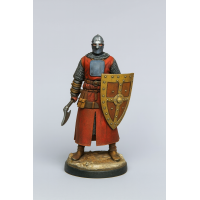
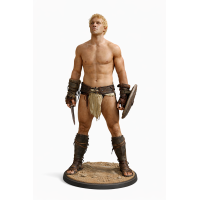
For printing miniatures, we always recommend RESIN 3D printers as they provide exceptional detail and a smooth surface finish. Our models have been tested on the Anycubic Photon Mono M5s and Phrozen Sonic Mighty 8K printers. We do not use FDM (filament) printing technology or other materials and therefore cannot provide support for those types of printers.
SLICER SOFTWARE
We recommend using Chitubox for its user-friendly interface, automatic support generation, advanced scaling options, and professional tools for preparing models for printing.
SCALING
Most of our models scale exceptionally well both up and down without noticeable loss of quality. All models are created at the scale specified in their listing; however, users have successfully printed them in scales ranging from 1:72 up to 1:6.
SUPPORT REMOVAL AND CLEANUP
To make support removal easier, we recommend soaking the model in warm water for 5–10 minutes. After this treatment, supports can usually be removed much more easily and leave fewer marks on the model's surface.
After removing the supports, the model should be thoroughly cleaned. Excellent results can be achieved by soaking the print for 30–60 minutes in Mean Green or a similar cleaning solution, followed by an additional 15–30 minute rinse in Isopropyl Alcohol (IPA).
REQUESTS & SUGGESTIONS
While we do not accept custom orders, we are always happy to hear your ideas for new models you'd like to see in our store. Simply send us a description or a reference image, and we will consider adding the project to our production schedule.
We truly enjoy helping bring creative ideas to life and expanding our catalog based on community feedback and suggestions.
Description
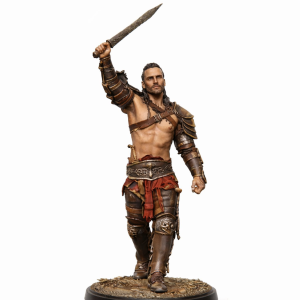
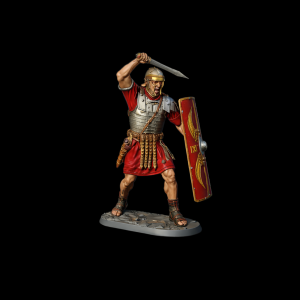
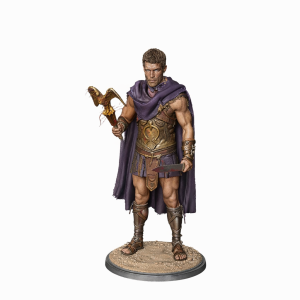
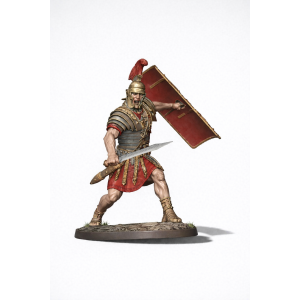
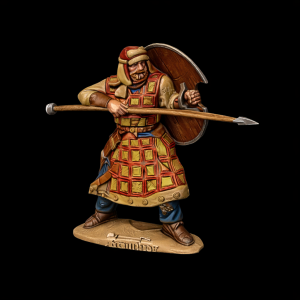
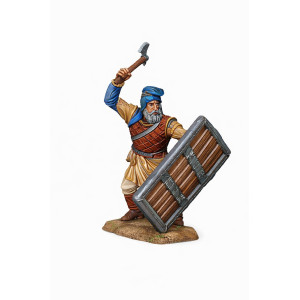
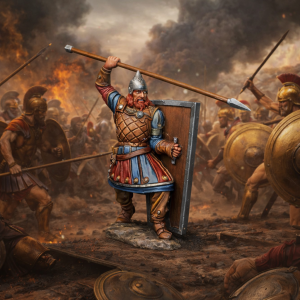
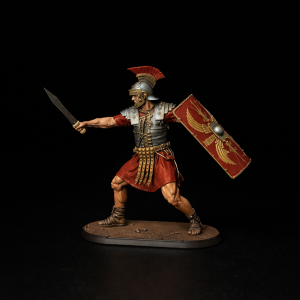
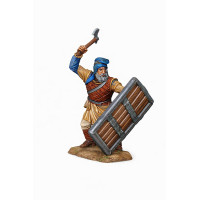
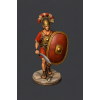
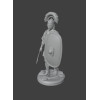
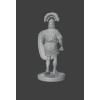
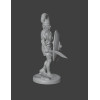
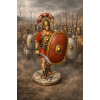
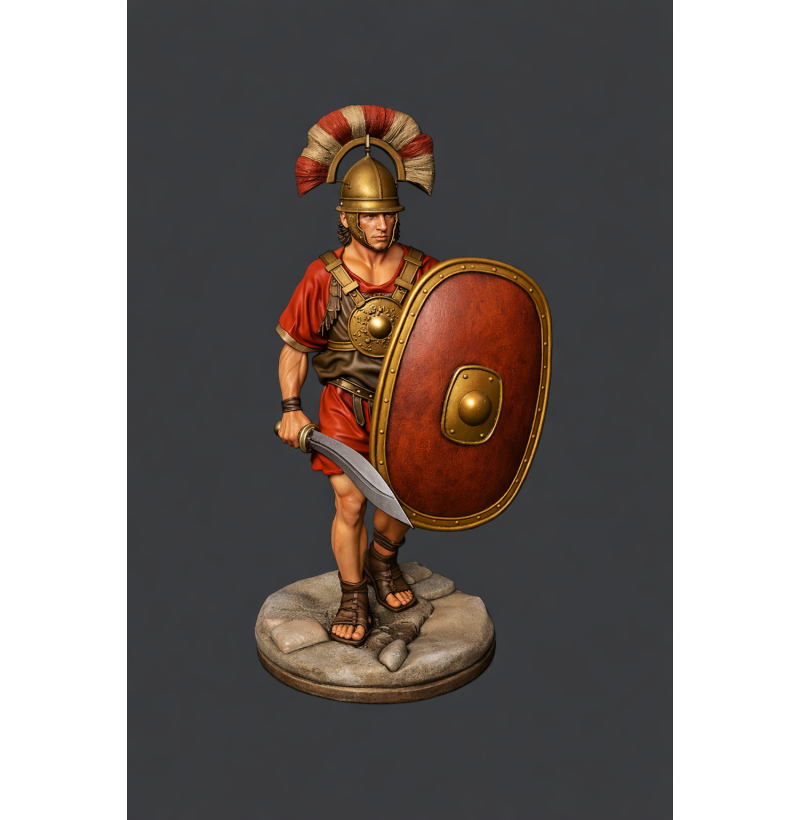
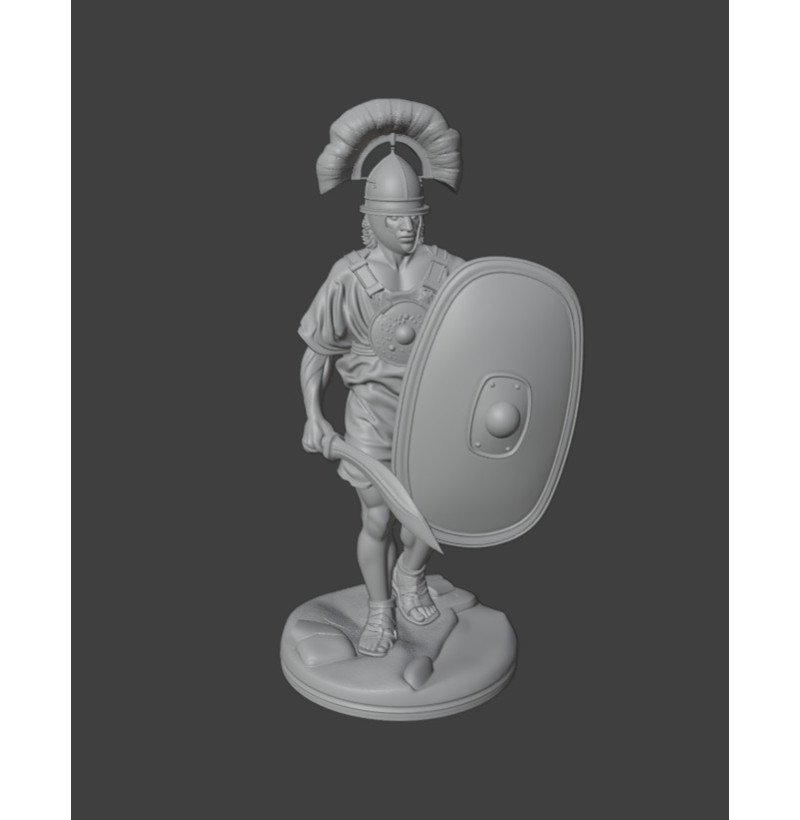
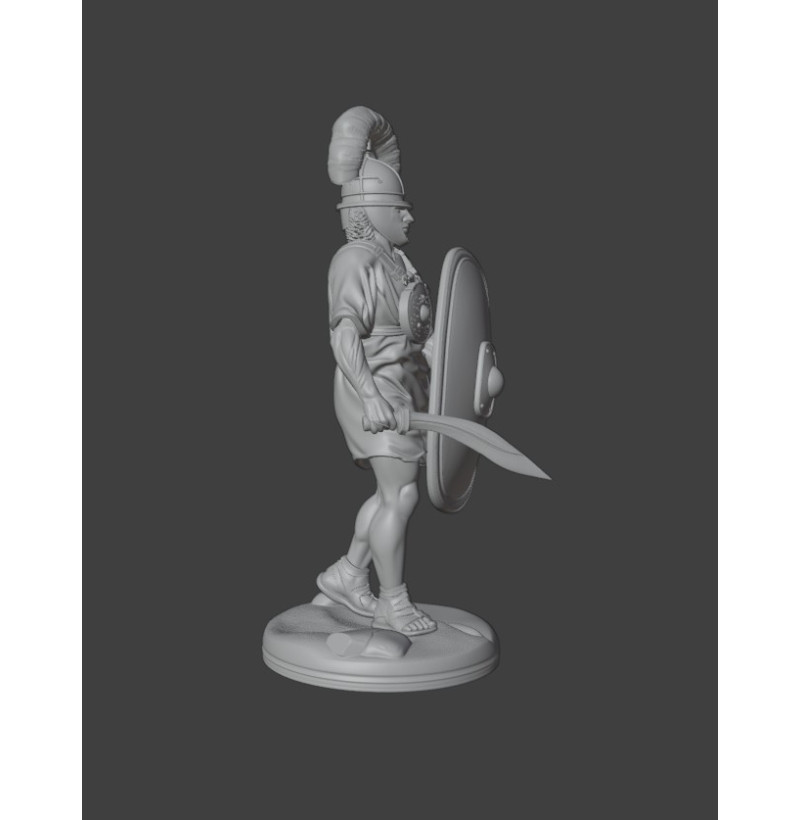
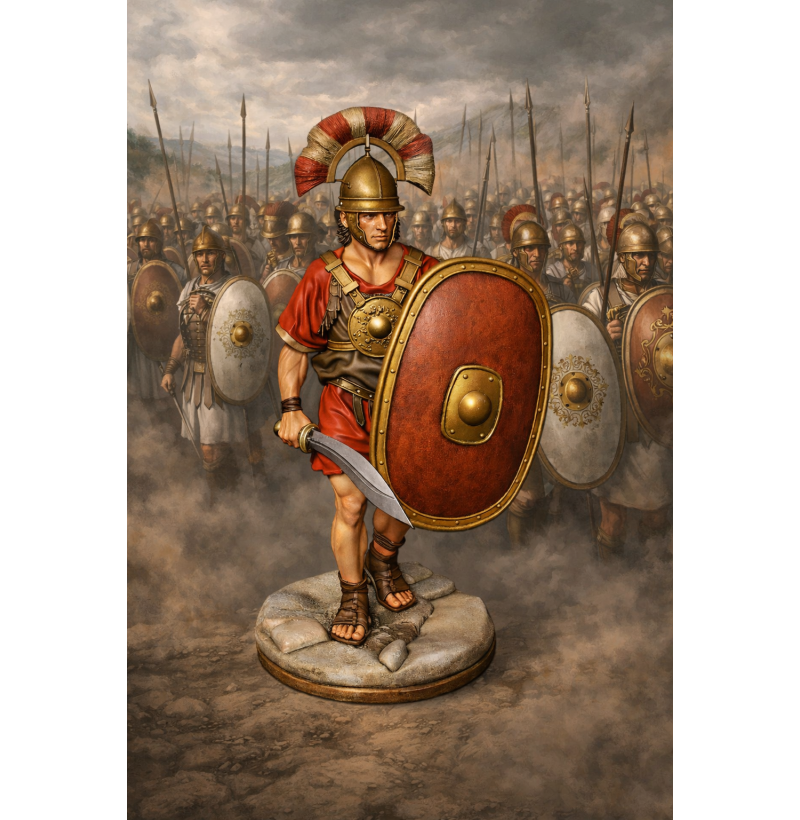
Bring the spirit of ancient Etruria to your collection with a highly detailed Etruscan Warrior miniature. Designed for clean results on resin and FDM printers, this STL is perfect for historical dioramas, tabletop wargames, and showcase painting.
What you will receive
A digital STL file for 3D printing (no physical item shipped)
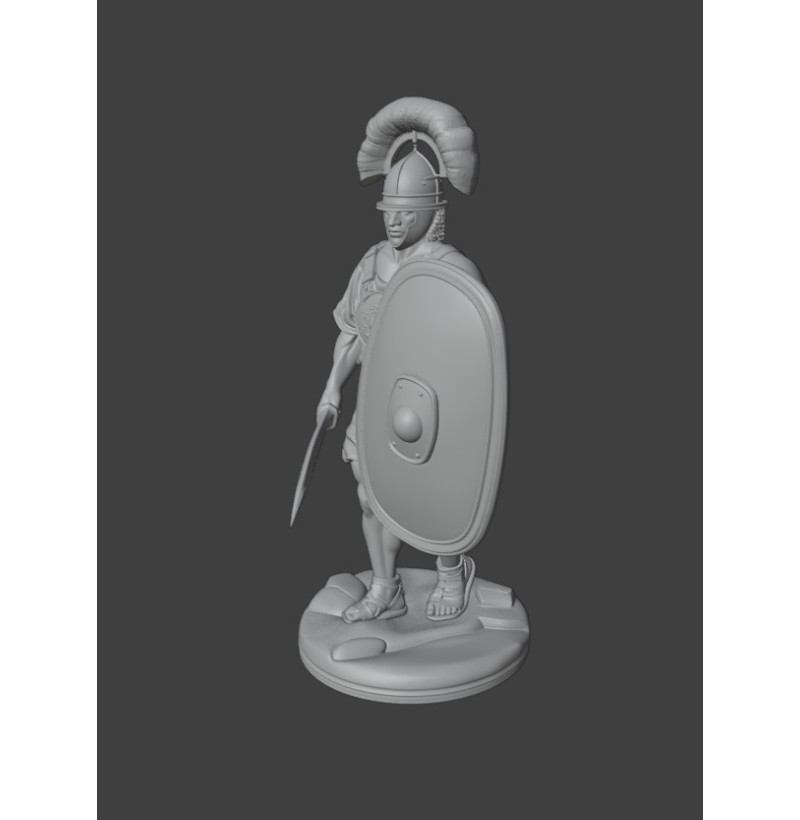
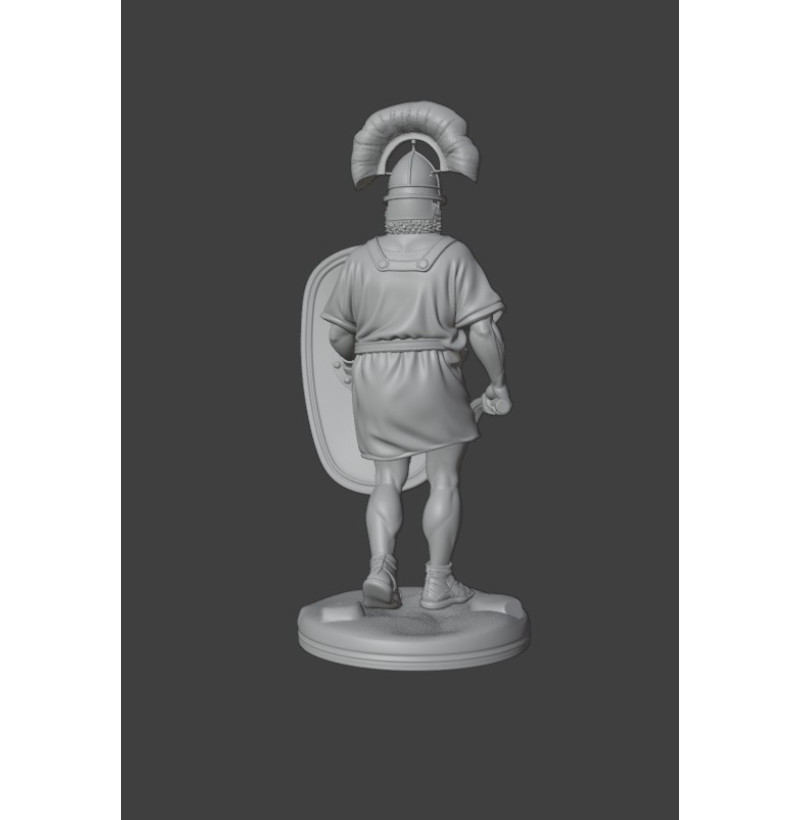
High-detail sculpting across helmet, armor, shield, and weapon
Scale it to your preferred size (28–32mm, 54mm, 75mm, display scale, and more)
Perfect for
Dioramas: “Ancient Italy”, “Etruscans vs Early Rome”, “Classical-era conflicts”
Display miniatures and collectors
Historical tabletop and skirmish settings
Technical notes
Best detail on resin at 0.03–0.05mm layer height
For FDM: use thin layers and well-placed supports
Scaling does not change the model’s geometry — you choose the final size during printing
Important (license / usage)
This file is for personal use only. Reselling, sharing, or distributing the digital files is not allowed. Commercial printing/selling of physical prints requires a separate license (if offered by the seller).
Extended historical background: Etruscan warriors and their era
The Etruscans (roughly 8th–3rd centuries BCE) were among the most influential peoples of pre-Roman Italy. Organized in prosperous city-states across Etruria, they developed strong trade networks linking the Italian peninsula with the Greek world and Carthage. This connectivity shaped their material culture — including arms and armor — while local Italian conditions created a distinct regional style of warfare.
An Etruscan warrior is often associated with status and identity. Archaeological finds and painted tomb scenes show helmets, body protection, greaves, and shields that reflect both functionality and prestige. Etruscan craftsmanship—especially in bronze work—was renowned, and military equipment could be richly finished, combining practical design with symbolic display.
Warfare in early Italy was not uniform. Elite retinues, civic militias, and allied contingents coexisted. Through Mediterranean contacts, elements of heavier infantry equipment became more common, yet Etruscan forces were not a simple copy of Greek hoplite warfare. Terrain, city-state politics, and constant rivalry with neighboring peoples (Latins, Sabines, Umbrians, Samnites, and others) encouraged flexible approaches and regional adaptations.
Etruria’s relationship with Rome was complex—competition, conflict, and cultural exchange all played a role. As the Roman Republic expanded in the 4th–3rd centuries BCE, Etruscan independence gradually diminished, and Etruria was absorbed into the Roman sphere. Still, the Etruscan warrior remains a powerful symbol of pre-Roman Italy: an era where bronze craftsmanship, civic pride, and social rank shaped the look of battle as much as tactics did.
.png "HistorSTL — STL Files for 3D Printing Historical Miniatures: Warriors & Military Models")

-80x80.jpg "historstl")